

Dishes are some of the trickiest items to move. They’re fragile, awkwardly shaped, and easy to damage if packed incorrectly. One wrong move and you could end up with a box of broken glass instead of your favorite dinner set.
Many homeowners make the same packing mistakes: stacking plates flat, skipping padding between items, or using flimsy boxes that can’t handle the weight. These shortcuts almost always lead to chips, cracks, and shattered ceramics.
At Clean & Careful, we’ve helped countless Orange County residents protect their kitchen items during moves. This guide shares the same techniques our professional movers use to keep dishes safe from your old kitchen to your new one.
Gather the Right Packing Supplies
Before you wrap a single plate, make sure you have the right materials on hand. Using proper supplies makes a huge difference in how well your dishes survive the trip.
Start with sturdy moving boxes. Dish packs, also called dish barrels, are specifically designed for fragile kitchen items. They have thicker walls than standard boxes and can handle heavier loads without buckling. If you can’t find dish packs, use small to medium moving boxes instead of larger ones. Smaller boxes prevent overpacking and keep the weight manageable.
For wrapping, choose clean packing paper over newspaper. Newspaper ink can transfer to your dishes and leave tough-to-wash stains, especially on porous surfaces like unglazed ceramics. Plain packing paper does the same job without the mess.
Here’s what you’ll need:
- Dish packs or sturdy moving boxes – Small to medium sizes work best for heavy items.
- Packing paper – Clean, ink-free sheets for wrapping.
- Bubble wrap – Extra cushioning for delicate items.
- Foam padding – Ideal for lining box bottoms and filling gaps.
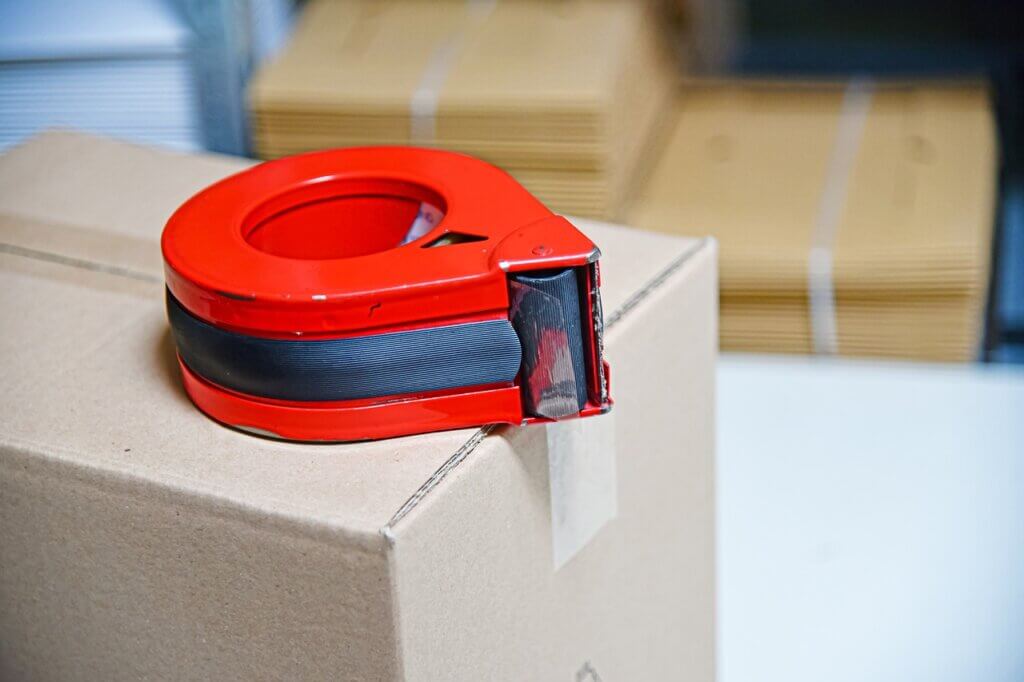
- Packing tape – Reinforce box bottoms with several strips.
- Box labels and markers – For clear identification.
- Cardboard dividers – Cell boxes that keep glasses and cups separated.
Clean & Careful offers high-quality packing materials at below retail prices. Having everything ready before you start saves time and keeps the packing process smooth.
How to Pack Plates the Right Way
Plates break easily because they are so thin and flat. The key to protecting them is wrapping each one individually and positioning them correctly in the box.
Start by laying out a stack of packing paper on a flat surface. Place one plate in the center of the top sheet, then fold the corners over the plate one at a time. Make sure the entire surface is covered. Set the wrapped plate aside and repeat with the next one.
Here’s the most important tip: stack plates vertically, not flat. When plates lie flat on top of each other, the weight of the stack presses down on each plate. Even a small bump can crack the ones at the bottom. Standing them on edge, like records in a crate, distributes the weight more evenly and reduces pressure on individual plates.
Before adding any plates, cushion the bottom of the box with a thick layer of crumpled packing paper or foam padding. This absorbs shock from below. As you add plates, fill any empty spaces with more paper. You don’t want anything shifting during transport.
Once the box is full, add another layer of padding on top. Close the box and give it a gentle shake. If you hear movement, open it back up and add more cushioning. The plates should feel snug but not crammed.
How to Pack Bowls and Serving Dishes
Bowls have curved shapes that make them trickier to pack than plates. The good news? They can nest together, which saves space if done correctly.
Wrap each bowl individually with packing paper, just like you did with plates. Then place a layer of padding between each bowl before nesting them together. Without this padding, the bowls will rub together during the move and chip at the edges.
Large serving bowls and platters deserve extra attention. These items are often heavier and more valuable than everyday dishes. Wrap them with multiple sheets of packing paper, then add a layer of bubble wrap for extra protection. Pack them vertically in the box with plenty of cushioning on all sides.
Heavy ceramic or porcelain pieces need special care. Their weight makes them more likely to break through the box bottom or crush lighter items. Pack these in their own boxes or at the bottom of a mixed box, never on top of other dishes.
How to Pack Glasses, Cups, and Mugs
Glasses and stemware are the most fragile items in your kitchen. Thin glass walls and delicate stems snap easily under pressure or impact.
Wrap each glass individually with packing paper. For wine glasses and other stemware, pay special attention to the stem. Wrap the bowl of the glass first, then wrap the stem separately with extra paper. The stem is the weakest point and needs the most protection.
Cardboard dividers, also called cell boxes or glass packs, are a game-changer for glassware. These inserts create individual compartments that keep glasses separated and prevent them from knocking into each other. If you don’t have dividers, make sure each wrapped glass has plenty of padding around it.
Stuff the inside of each glass or mug with crumpled packing paper before wrapping. This adds internal strength and helps the glass resist external pressure. It’s a small step that makes a big difference.
When loading the box, place heavier items, such as mugs, at the bottom and lighter, more delicate glasses on top. This prevents crushing and keeps the box balanced.
Labeling Boxes for Safe Handling
Clear labeling tells everyone handling your boxes exactly what’s inside and how to treat them. This simple step prevents a lot of accidental damage.
Write “Fragile” on multiple sides of each box containing dishes. Use large, bold letters that are easy to spot. Add “Kitchen” so movers know where the box belongs in your new home.
Mark “This Side Up” with an arrow pointing to the top. This keeps boxes oriented correctly during loading, transport, and unloading. Flipping boxes upside down puts unnecessary stress on the items inside.
Good labeling helps movers prioritize careful handling. When our team sees “Fragile” on a box, we know to place it on top of the stack, avoid stacking heavy items on it, and handle it with extra care. Without labels, movers have to guess what’s inside.
Common Dish-Packing Mistakes to Avoid
Even well-intentioned packers make mistakes that lead to broken dishes. Here are the most common errors and how to avoid them:
- Overpacking boxes – Heavy boxes are hard to lift and more likely to be dropped. They also put extra pressure on the items inside. Stick to small and medium boxes for dishes, and don’t exceed 30 to 40 pounds per box.
- Using weak or reused boxes – Old boxes lose structural integrity over time. The walls weaken, the bottoms sag, and they’re more likely to collapse under weight. Use fresh, sturdy boxes for fragile items.
- Skipping padding to save time – Rushing through packing is a recipe for broken dishes. Every dish needs individual wrapping, and every box needs cushioning on the bottom, top, and sides.
- Mixing heavy and light items – Heavy ceramic dishes can crush delicate glassware if packed together carelessly. Keep similar weights together, and always place heavier items at the bottom.
Should You Hire Professional Movers to Pack Dishes?
Packing dishes yourself takes time, patience, and the right supplies. If you’re short on any of these, hiring professional packers might be worth considering.
Professional packing services take the stress out of one of the most tedious parts of moving. Trained packers know how to wrap, cushion, and box fragile items so they arrive safely. They also work much faster than most homeowners, which can save you hours of prep time.
At Clean & Careful, our team uses proven techniques to protect your kitchen items. We bring all the supplies, handle everything from fine china to everyday plates, and ensure each box is packed correctly. You get peace of mind knowing your dishes are in good hands.
We offer full-service packing (we pack everything) and partial packing (we handle fragile items while you pack the rest). Either way, professional help reduces the risk of damage and makes your move smoother.
Final Tips for Unpacking Dishes Safely
Once you’re in your new home, how you unpack matters almost as much as how you packed.
Unpack fragile boxes first, before your space gets cluttered with other belongings. This gives you room to work carefully and reduces the chance of accidents.
Inspect each item as you unwrap it. Check for cracks, chips, or other damage before you throw away the packing materials. If something is broken, you’ll want documentation for insurance purposes or to follow up with your moving company.
Consider saving your packing supplies for future use. Packing paper, bubble wrap, and dish boxes can be reused multiple times if kept in good condition. Store them flat in a closet or garage, so they’re ready for your next move.
Protect Your Dishes with the Right Approach
Packing dishes doesn’t have to be stressful. With the right supplies, proper wrapping techniques, and careful box loading, your plates, bowls, and glasses can arrive in your new kitchen in one piece.
Remember the basics: wrap each item individually, stack plates vertically, use padding everywhere, and never overload your boxes. Take your time, and don’t skip steps to save a few minutes.
If you’d rather leave fragile packing to the experts, Clean & Careful is here to help. Our professional movers handle kitchen items with care, using techniques that keep your dishes safe from start to finish.
Contact Us for a Free Moving Quote
Need help packing or moving in Orange County? Let Clean & Careful take the stress out of your next move.
Call us –(949) 375-4629
Email us – cleancarefulmoving@gmail.com
We serve all of Orange County, CA, and the surrounding areas. Let us move you safely, efficiently, and stress-free.